
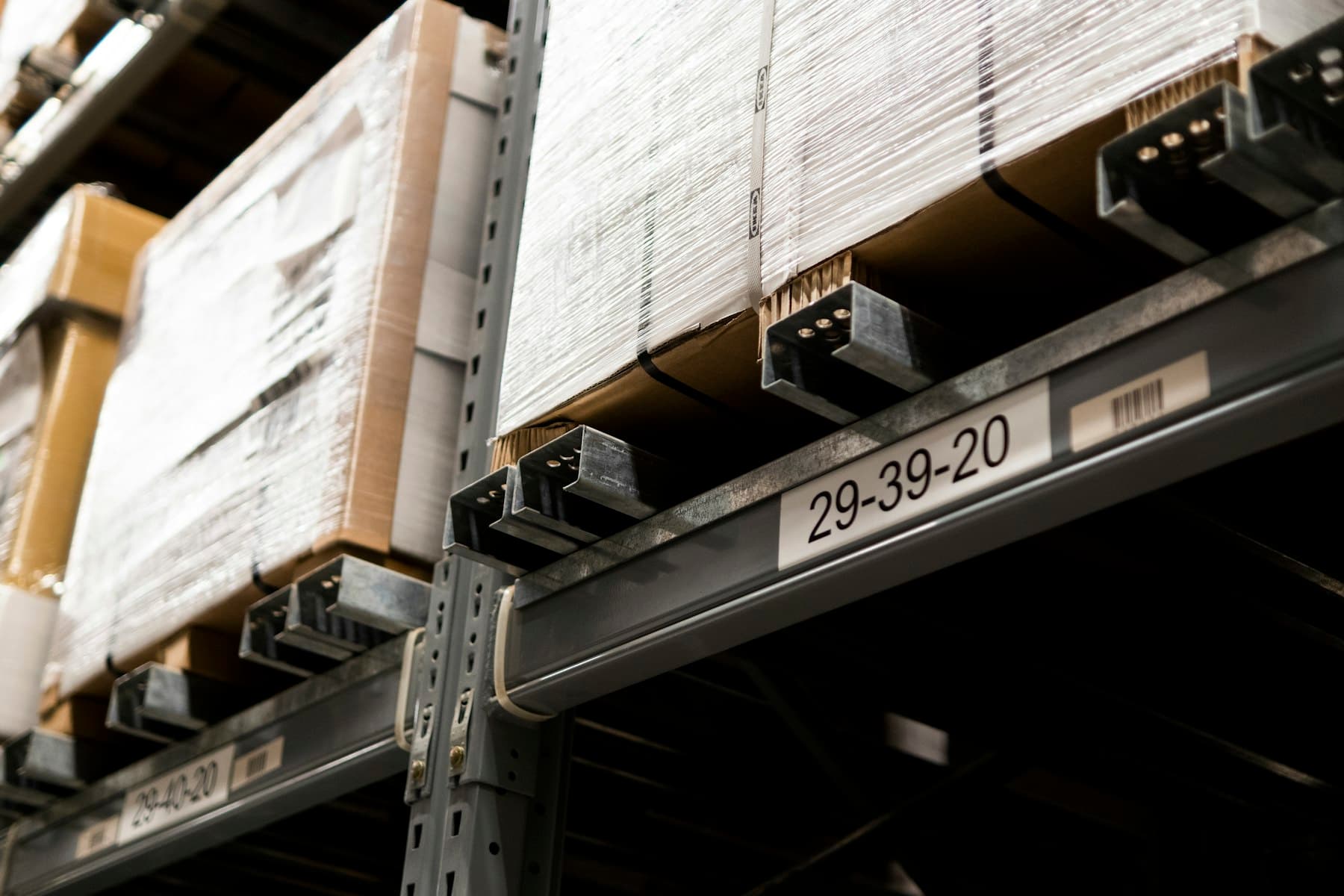
Warehouse inventory tracking means knowing the quantity and location of every item at any moment. Here is what it covers and why it matters so much.
Warehouse inventory tracking is the practice of recording and monitoring the quantity, location and movement of every product held in a warehouse. Behind that simple definition sits a system that directly shapes a company's cash flow, customer satisfaction and operating cost.
In a warehouse without tracking, people search for products. Searching costs time, and time turns into late orders, overtime and mis-shipments. Once a tracking system is in place, most of that loss disappears within the first month.
What does it cover?
- Goods receipt: reconciling incoming stock against the dispatch note and registering it
- Location addressing: recording which aisle, rack and bin holds the item
- Movement history: tracking every inbound, outbound, transfer and return
- Counting: regularly measuring the gap between recorded and physical stock
- Reporting: turnover, dead stock, reorder point and stock-ageing reports
Why manual tracking is not enough
A spreadsheet works while the SKU count is low. But as product variety grows, as the same item spreads across several racks and as daily movements increase, the spreadsheet stops reflecting reality. The gap between the record and the shelf widens, and nobody knows which one is right.
In a barcoded system every movement is recorded at the moment of scanning. The record depends on the system, not on the memory of the person doing the job. That single difference lifts stock record accuracy from around 90% to well above 99%.
What the business gains
Properly designed inventory tracking reduces sales lost to stock-outs, frees up capital tied to unnecessary purchase orders, makes better use of warehouse space and feeds accurate stock figures to your sales channels. For multi-channel sellers in particular, having one single source of truth for stock is the most critical factor of all.