

Inventory Management
Real-time stock visibility, reorder-point alerts and disciplined counting bring your inventory under control.
Inventory management is the professional logistics discipline of recording the materials used in production or the goods being sold, identifying requirements, and analysing processes within a defined plan and schedule. It is critical for responding to rising demand on time, reducing cost and protecting customer satisfaction.
Well-designed inventory management lowers two costs at once: the cost of holding stock and the cost of running out of it. Excess stock keeps your capital sitting on a shelf; missing stock costs you sales and customers. Our job is to strike that balance with data rather than instinct.
Minimum and maximum levels are defined for every SKU. When stock falls to its reorder point the system raises an alert so you can plan procurement accordingly. Periodic and cycle counting keeps the gap between recorded and physical stock permanently visible.
Your reports are available whenever you need them: stock ageing, turnover rate, dead-stock lists, movement history and reorder-point reports are shared on a regular schedule.
What we put in place
Barcode and serial tracking
Every product is identified by barcode and, where required, tracked by batch, serial number and expiry date.
Reorder-point alerts
Products reaching their minimum level trigger an automatic alert, so your procurement plan is never caught out.
Cycle counting
Periodic zone-by-zone counts keep record accuracy high without ever shutting down the warehouse.
FIFO / FEFO discipline
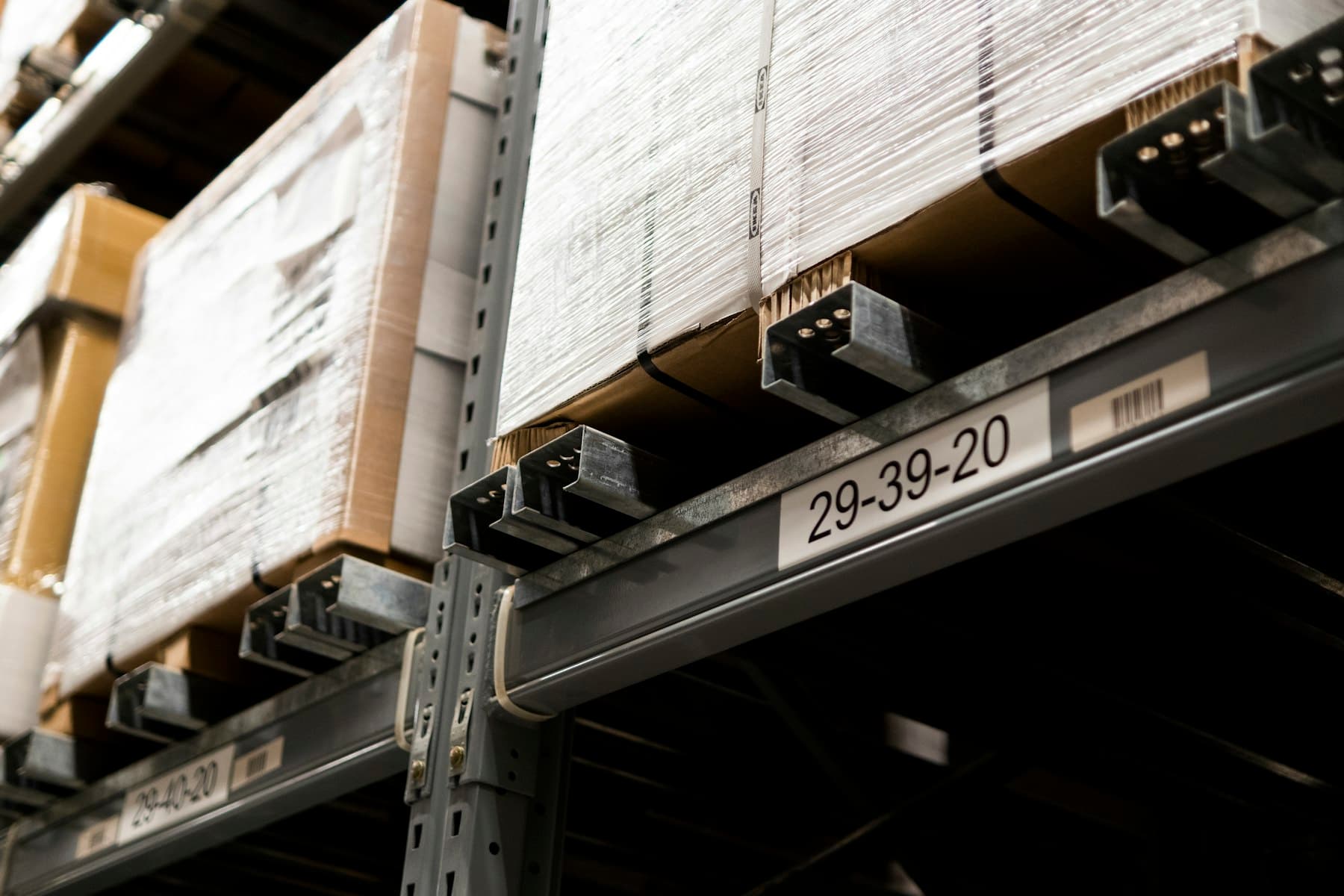
First-in-first-out or first-expired-first-out rules are physically enforced in the rack layout.
Dead-stock analysis
Items with no movement over a defined period are reported, so neither space nor capital is wasted.
Regular reporting
Turnover, stock-ageing and movement reports are shared at the frequency you choose.
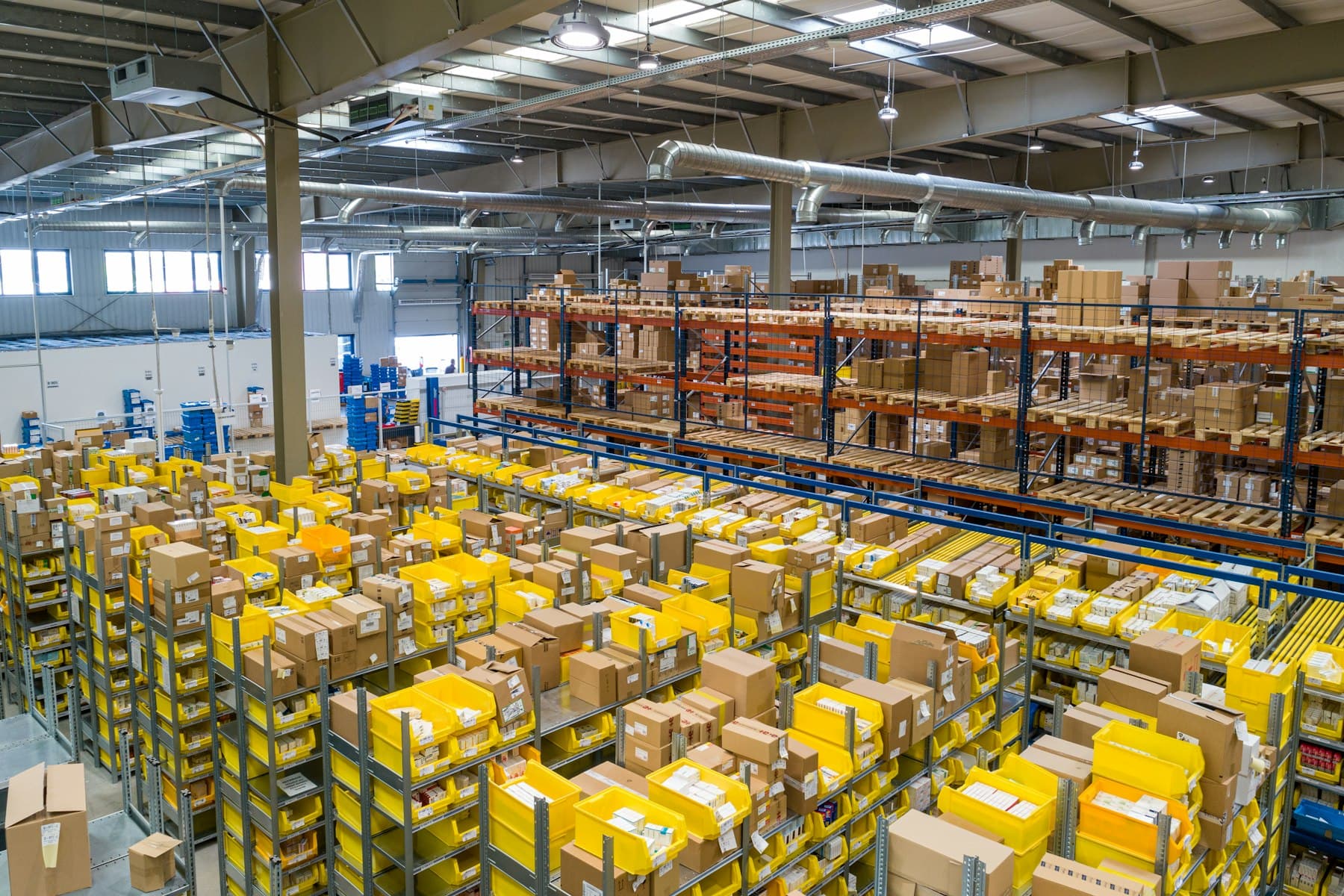
Boxed goods in the stock area
What you gain
- Production and sales continue without interruption
- Higher customer satisfaction and delivery performance
- Lower holding costs and less dead stock
- Reduced loss, spoilage and shrinkage
- Faster response to shifts in market demand
Inventory Management — Frequently asked
If you cannot find the answer you are looking for, write to us and we will come back to you the same day.
Inbound and outbound movements are recorded as they happen, so the stock figure is always current. Stock status, turnover and reorder-point reports are shared at the frequency you set — daily, weekly or monthly.

Let's talk about your logistics
Tell us your product range and volumes, and we will map out the right warehousing, handling and distribution setup together.